
Returning to exercise after injury
(Originally published in the September 2026 issue of World of Westchase WOW)
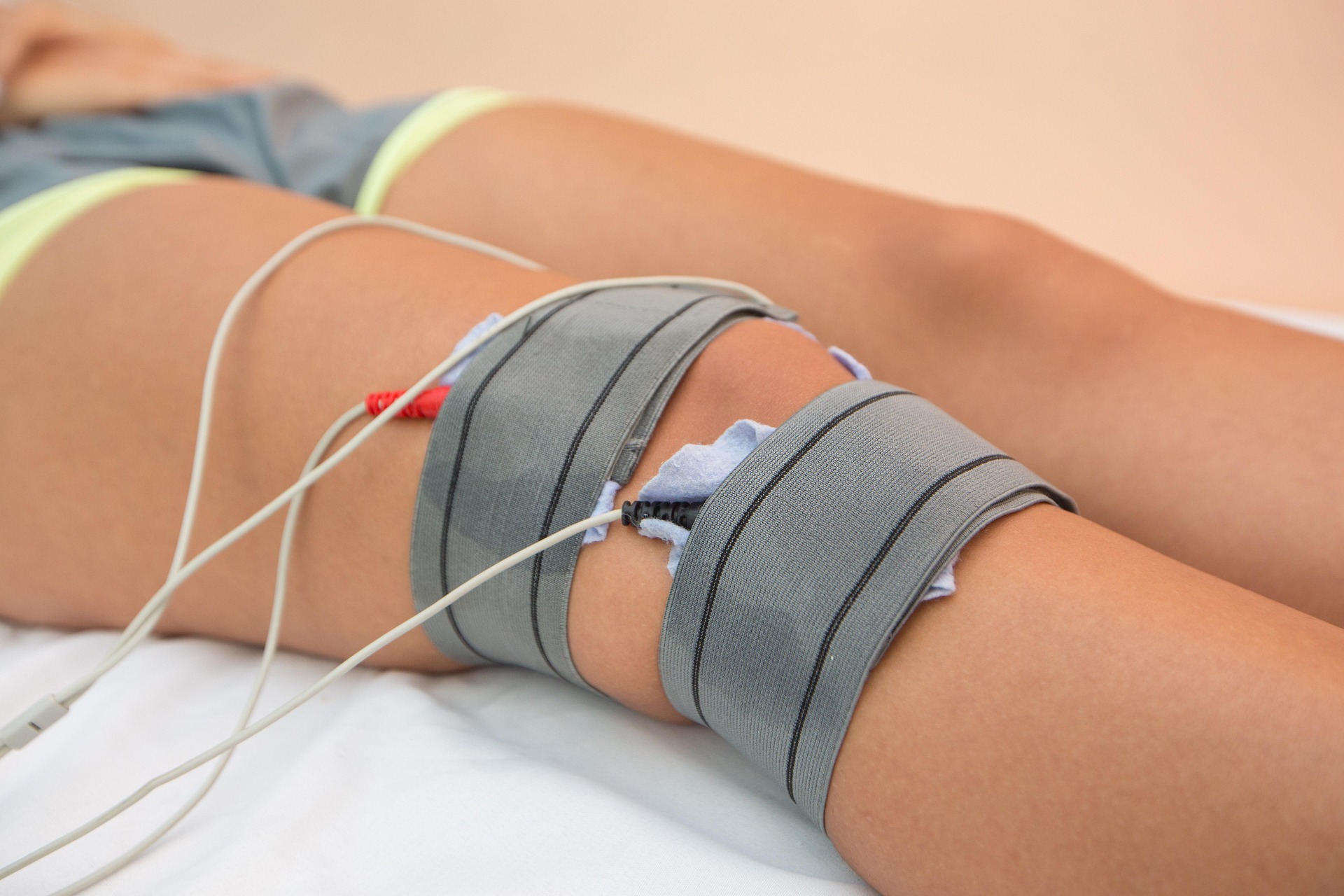
An injury can interrupt more than your exercise routine. It can affect your confidence, independence, and even how you think about movement. And when you finally begin to feel better, it can be tempting to either jump right back in where you left off—or become so cautious that you are afraid to move forward at all.
Successful recovery often requires finding the space somewhere in between.
Before returning to exercise, get appropriate clearance from your physician or healthcare provider. If physical therapy is part of your recovery, following the plan established by your therapist matters too. Feeling better does not necessarily mean that healing is complete, and returning to your previous activity level is usually a progression rather than a single step.
I have experienced this personally. I have returned to activity after a broken ankle and, more recently, a dislocated elbow. Both experiences reminded me that recovery requires patience—but patience doesn’t always mean doing less. Sometimes it means consistently doing the work that has been prescribed, even when that work is difficult. The same principle applies when easing back into exercise after time away: gradual, consistent progress matters.
Rehabilitation can be uncomfortable. There may be movements that feel challenging or that your mind tells you to avoid because of what you have experienced. This is where communication with your healthcare team becomes so important. Your physician or physical therapist can help you understand what sensations are expected during rehabilitation and what symptoms mean you should stop or modify an activity. If what you’re experiencing is within the parameters they’ve given you, gradually working through that discomfort may be part of regaining mobility, strength, and confidence.
On the other hand, enthusiasm can work against recovery too. Once we start feeling better, it’s easy to think more must be better. We may add weight, repetitions, distance, or activity before the body is ready. Rest is not time lost during recovery. It is part of the recovery process. Doing too much too soon can potentially aggravate an injury and slow the progress we’ve worked hard to achieve.
The mental side of returning deserves attention as well. An injury can make us question movements we once performed without a second thought. Can I trust this ankle? Is this arm strong enough? What if I injure myself again? Regaining confidence may happen gradually, right alongside rebuilding physical strength.
Perhaps one of the most important lessons in returning from an injury is that your starting point has changed—and that’s okay. The goal isn’t to immediately prove that you can do everything you did before. It’s to meet your body where it is today and continue progressing from there.
Recovery isn’t about doing as much as possible or as little as possible. It’s about doing what is appropriate for where you are in the healing process, listening to the professionals guiding your care, and allowing your plan to progress as your body does.
A comeback takes patience, consistency, courage—and sometimes a little restraint. Give your body the time and support it needs, while continuing to do the work that helps you move forward.




Leave A Comment